

Every business I talk to right now is asking the same question: “Can we just use AI to build our software?” The honest answer is — sort of, but not on its own. AI can write code at a pace no human ever could, and honestly, it’s often better than a human at spotting insecure patterns, bad architecture or obvious bugs when you ask it to review its own work. What AI is genuinely weak at is testing — knowing what actually needs testing, writing tests that catch real-world edge cases rather than just confirming the code does what it already does, and proving the software behaves the way the business needs it to before it ships. That still takes an experienced developer at the wheel.
The gap most companies fall into
There are two common paths businesses take today, and both have a hole in them:
- Hiring a traditional dev team — capable, but slow and expensive, often without any AI tooling built into how they work.
- Trying to use AI tools directly — fast and cheap at first, until the project hits a wall of bugs, security issues, or code nobody in the business can actually maintain.
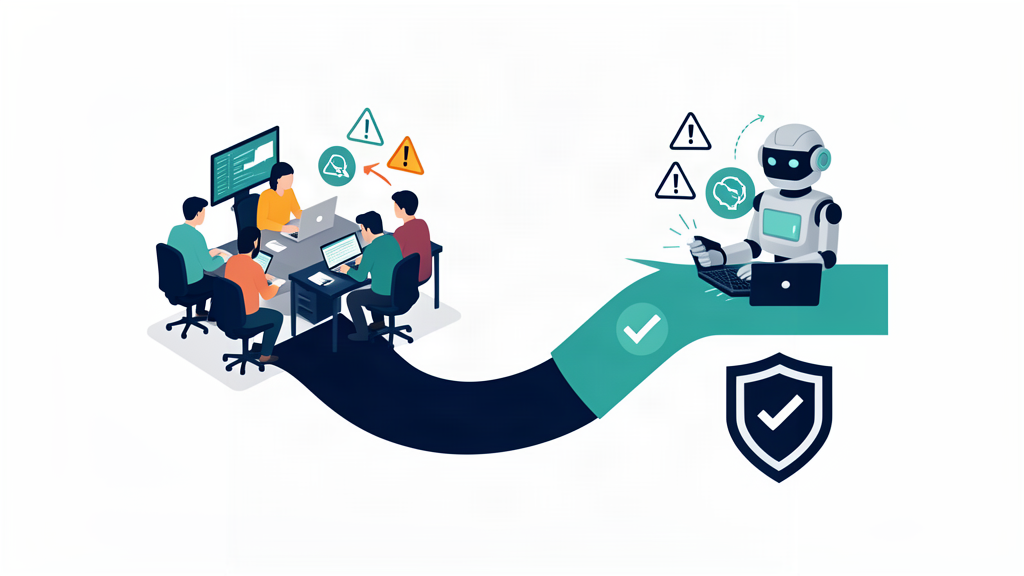
What’s missing is someone who has spent years as a professional developer and has genuinely mastered AI-assisted development — not someone experimenting with ChatGPT for the first time, but someone who uses these tools daily as part of a proven engineering process.
That’s where I come in
I’m Stuart Cole. I’ve spent my career writing production software, and over the last couple of years I’ve rebuilt my entire workflow around AI-assisted development — using it to plan, build, test and ship real projects faster without cutting corners on quality.
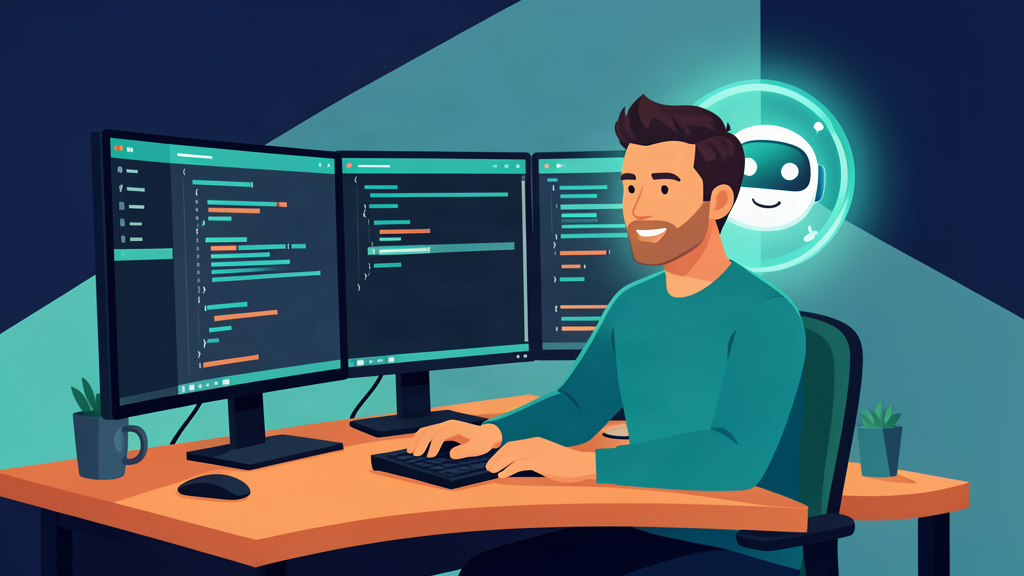
That combination is the whole point. AI accelerates the parts of coding that used to take hours — boilerplate, first drafts, refactors, test scaffolding. Experience is what catches the mistakes AI quietly makes, makes the right architectural calls, and keeps a project maintainable six months after launch, not just on day one.
I question the project before I write a line of code
AI will happily start building the moment you give it a prompt — it doesn’t ask why. That’s a problem, because the most expensive mistake in software isn’t a bug, it’s building the wrong thing. Before any code gets written, I want to understand what the project is actually meant to achieve: what problem it solves, who it’s for, and what success looks like in six months. Sometimes that conversation ends with “yes, let’s build it, here’s the fastest sensible route.” Sometimes it ends with “you don’t need custom software for this, a much cheaper option already solves it” — and I’ll tell you that too, even though it means less work for me.
That’s the difference between hiring a coder and hiring an experienced developer. A coder builds what they’re told. An experienced developer checks the “told” is worth building first, so you’re not six months and a chunk of budget into a project that never needed to exist.
Testing is where AI still falls short
Testing is one of the most important parts of software development — and it’s exactly where AI tools are weakest right now. AI can generate a test file in seconds, but it tends to write tests that just confirm the code does what it already does, not tests that check the code does what the business actually needs. It rarely reasons well about edge cases, how a real user will misuse a form, what happens under load, or how a small change quietly breaks something three modules away. That’s a gap AI hasn’t closed yet, and it’s exactly why an experienced developer needs to own the test strategy — designing what to test and why, not just accepting whatever a prompt spits out.
What this means for your business
- Software built faster than a traditional dev team, without the reliability gaps of a pure AI build.
- A single experienced point of contact who understands both the code and the business problem it needs to solve.
- A proper testing strategy behind the code — unit tests, edge cases and real-world scenarios AI tools routinely miss on their own — not just generated and shipped.
- Someone who asks why before writing code, so you’re not spending time and budget building something that isn’t the right answer to the actual problem.
If your business needs custom software and you’ve been stuck choosing between “too slow and expensive” or “too risky to trust,” let’s talk. Get in touch to discuss your project.